Prahaar Review: When a Disillusioned Professor Decided to Declare War on the System
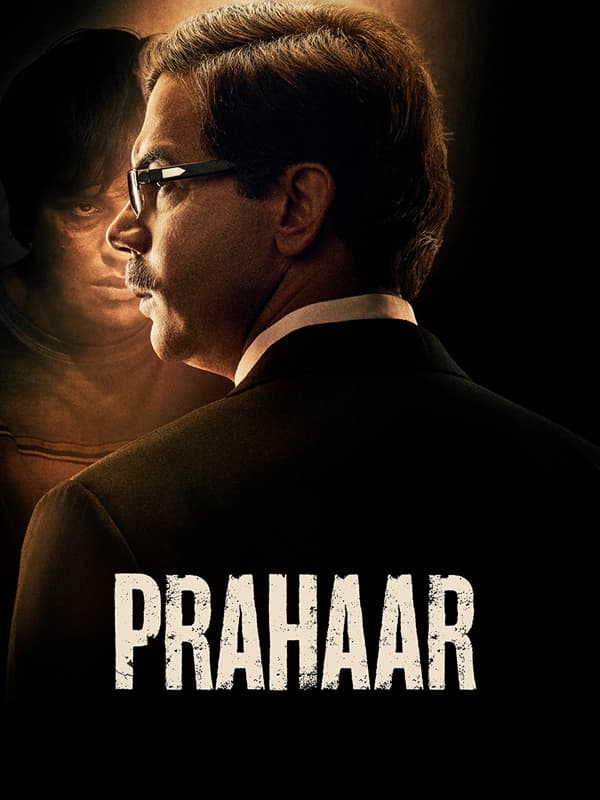
Prahaar Review
Based on direction, story, and acting
What Works (The Good)
- Nana Patekar delivers one of the most blistering, career-defining performances in Hindi cinema
- The film is unflinching in its depiction of corruption and the rot in the system
- Om Puri's restrained, morally conflicted cop is a perfect foil to Patekar's fire
- The dialogue is sharp, philosophical, and genuinely thought-provoking
- The climax in the courtroom is a masterclass in tension and delivery
- Madhuri Dixit brings a quiet dignity to the role of the wife
What Doesn't (The Bad)
- The pacing in the second half can feel slow to modern viewers
- Some of the supporting characters are underdeveloped
- The film's bleak tone might be too heavy for casual viewing
- The action, while effective, feels dated by today's standards
The Setup: A Teacher's War
There's a scene early in Prahaar where a retired professor, sitting in his cluttered study, looks at a photograph of his dead son. He doesn't cry. He doesn't scream. He just stares. And in that stare, you see the exact moment a man decides that peaceful protest is no longer an option. It's a quiet, devastating moment in a film that is otherwise loud, angry, and unrelenting.
Prahaar (meaning "The Attack") was directed by Nana Patekar and released in 1991. It's a film that feels like a pressure cooker — a story about a man who has tried to live by the rules, only to watch the rules destroy everything he loves. And when he finally snaps, he doesn't just take revenge. He declares war.
The Plot: From Professor to Revolutionary
Nana Patekar plays Major Pratap Chauhan, a retired military man who now teaches at a college. He believes in discipline, in duty, and in the system. But the system is corrupt. His son, a police officer, is killed by a powerful criminal who has connections in the government. When Chauhan tries to get justice through legal means, he's blocked at every turn. The system that he served is the system that destroyed his family.
So he decides to build his own army. He recruits a group of his most loyal students and begins training them not in military tactics, but in the art of urban warfare. They target the corrupt, the criminals, the untouchable. They don't just kill. They make a statement.
The film follows Chauhan's transformation from a respected professor to a domestic terrorist, and the moral implications of that journey. It's not a simple revenge story. It's a film that asks hard questions about justice, violence, and the limits of patience.
The Acting: Nana Patekar's Masterclass
Nana Patekar is a force of nature in this film. He's not just acting. He's channeling something raw and real. His Chauhan is intelligent, articulate, and deeply, deeply angry. He doesn't shout. He doesn't rage. He speaks calmly, deliberately, with the kind of quiet menace that makes you sit up and pay attention. His monologue about the system — about how it destroys the people it's supposed to protect — is one of the most powerful scenes in Indian cinema.
Om Puri as Inspector Mhatre is the perfect foil. He's a cop who knows the system is broken but tries to work within it anyway. He's not a hero. He's a pragmatist. And his moral conflict — his desperate attempts to stop Chauhan without becoming the thing he's fighting — is the film's emotional backbone.
Madhuri Dixit as Chauhan's wife brings a quiet dignity to a role that could have been a footnote. She's not just the grieving mother. She's the conscience of the film, the one who asks the questions the audience is afraid to ask.
The Themes: A Film That Asks Hard Questions
Prahaar is not just an action film. It's a social commentary. It's a film about a generation that lost faith in the system, and the moral consequences of that loss. It's about the line between justice and revenge, and the question of whether violence can ever be justified.
The film doesn't provide easy answers. It doesn't glorify Chauhan's actions, but it doesn't condemn them either. It just asks you to sit with the uncomfortable reality of a man who has been pushed so far that he sees no other way out.
The Verdict: A Forgotten Masterpiece
Prahaar is not a perfect film. The pacing drags in places. Some of the supporting characters are underdeveloped. The climax is a bit too neat. But it's a film that stays with you. It's a film that makes you think. And it's a film that features one of the greatest performances of Nana Patekar's career.
If you're a fan of Indian cinema, you need to watch it. If you're not, you still need to watch it. It's a reminder of what Bollywood was capable of before the era of mindless blockbusters.
Score: 8.5/10
Verdict: Must Watch. Nana Patekar's performance alone makes it worth your time. But it's the questions the film asks that will stay with you long after the credits roll.
The writer of this review has watched the courtroom monologue more times than he can count. It's a lesson in acting. It's a lesson in writing. It's cinema.
The Cineverse Technical Breakdown
More in Bollywood
View all Bollywood reviews →
Ek Tha Tiger Review: When RAW Met ISI and Romance Blossomed
India's top spy falls in love with a Pakistani agent, forcing him to choose between duty and the woman he loves.
War Review: Hrithik vs. Tiger — A Dance-Off Disguised as a Spy Thriller
Hrithik Roshan hunts Tiger Shroff across the globe in a stylish but logically bankrupt spy thriller that prioritises swagger over story.

Vvan - Force of the Forrest Review: A Promising Folklore Thriller Undone by Uneven Writing
Sidharth Malhotra returns to his ancestral village and accidentally breaks an ancient seal, unleashing a supernatural force that forces him to confront his lost faith.