Nayi Haveli Review: A Haunting That Lost Its Scare, But Found Its Heart
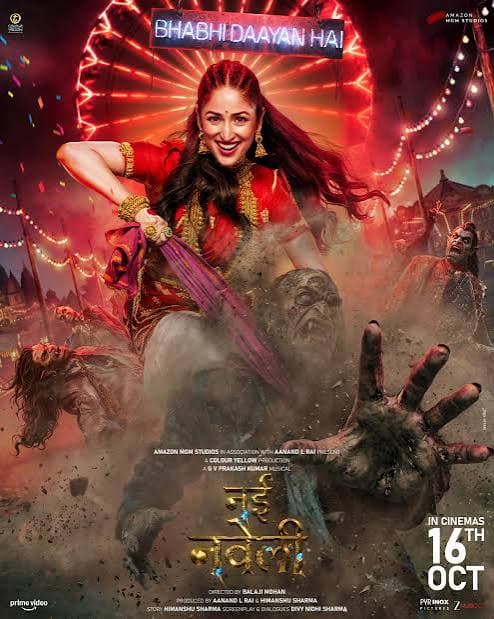
Nayi Haveli Review
Based on direction, story, and acting
What Works (The Good)
- Aruna Irani's performance as the tormented matriarch anchors the film with genuine pathos
- The haveli itself is a character — the production design is atmospheric and lived-in
- The film captures the specific dread of 1980s Doordarshan horror — slow, moody, and weirdly comforting
- Raza Murad brings a delightful, if underused, menace to the proceedings
What Doesn't (The Bad)
- The horror elements are dated — what was scary in 1989 might provoke laughter today
- The pacing is glacial by modern standards
- The visual effects are primitive and often break the tension
- The plot is a standard 'cursed family, haunted house' template with few surprises
- The music and sound design are aggressively of their time
The Setup: A Haveli, A Curse, And A Family In Denial
There's a specific kind of nostalgia attached to 1980s Indian television. It's the nostalgia of Sunday mornings, of black-and-white reruns, of stories that were told with limited budgets but unlimited conviction. Nayi Haveli is a product of that era. It's not a masterpiece. It's not even a particularly good film. But it's a fascinating artifact of a time when Indian horror was less about jump scares and more about atmosphere, dread, and the slow, creeping realization that something is very, very wrong.
The story follows a family that moves into their ancestral haveli — a sprawling, decaying mansion that has been in their bloodline for generations. They've come to claim what's theirs. But the haveli doesn't want them there. The past is not dead. The ghosts of the family's ancestors are still very much present, and they have unfinished business.
The Plot: A Familiar Haunting
If you've seen any haunted house film, you know the beats. The family arrives. Strange things start happening. Doors creak. Shadows move. A child sees something they shouldn't. The adults dismiss it as imagination. And then, slowly, the truth reveals itself.
Nayi Haveli follows this template faithfully. There are no real surprises. The tension comes not from what happens, but from how it happens — the way the haveli feels alive, the way the past bleeds into the present, the way the family's own secrets mirror the secrets of the house.
The film isn't interested in explaining everything. It doesn't tie up every loose end. It leaves you with questions, with a lingering sense of unease. That ambiguity is its greatest strength.
The Acting: Aruna Irani Carries The Film
Aruna Irani is the emotional core of the film. She plays the matriarch of the family — a woman who has spent her life trying to hold things together, only to watch them fall apart. Her performance is quiet, dignified, and deeply affecting. She doesn't scream. She doesn't overact. She just exists in the space of her grief, and it's impossible not to feel it.
Vijay Arora as the patriarch is fine, but he's not given much to do. He's the skeptic, the voice of reason, the one who refuses to believe until it's too late. He's functional, not memorable.
Raza Murad as the villain (or is he?) is underused. He brings a certain menace to the role, but the script doesn't give him enough screen time to develop into a genuinely threatening presence.
The Horror: Dated, But Effective In Its Own Way
If you're watching Nayi Haveli for jump scares, you'll be disappointed. The horror is slow, atmospheric, and psychological. It's the kind of horror that comes from the sound of footsteps in an empty corridor, from the way the light falls on a portrait, from the feeling that you're being watched even when you're alone.
The visual effects are primitive — by today's standards, they're almost laughable. But the film doesn't rely on them. It relies on suggestion. On the power of the unseen. On the creeping dread that something is wrong, and that there's nothing you can do about it.
The Verdict: A Nostalgic Haunting
Nayi Haveli is not a great film. It's slow. It's dated. It's not particularly scary by modern standards. But it's also a beautiful, melancholic piece of Indian television history. It's a reminder of a time when horror wasn't about gore or shock value. It was about the feeling that the world is not as safe as it seems.
If you're a fan of vintage Indian television, watch it. If you're looking for a modern horror film, look elsewhere.
Score: 5.5/10
Verdict: One-Time Watch. For the nostalgia. For Aruna Irani. For the specific, strange comfort of 1980s Doordarshan horror.
The writer of this review remembers watching Nayi Haveli on a Sunday afternoon. The haveli still haunts his dreams. It's not the ghosts. It's the wallpaper.
The Cineverse Technical Breakdown
More in Bollywood
View all Bollywood reviews →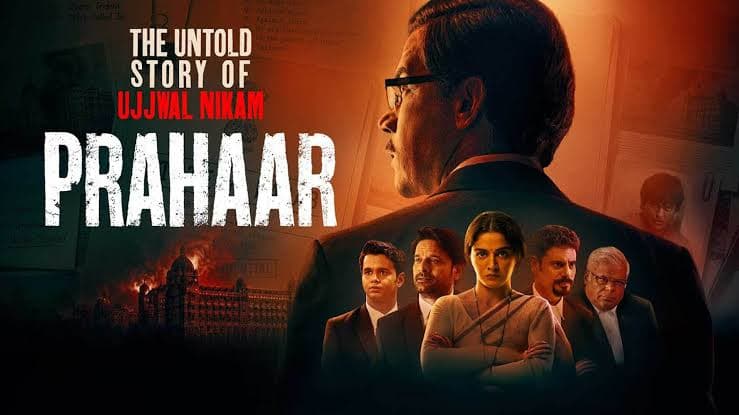
Prahaar Review: When a Disillusioned Professor Decided to Declare War on the System
A retired professor, pushed to the edge by a corrupt system, trains a group of young students to wage a violent war against the criminals who destroyed his family.

Ek Tha Tiger Review: When RAW Met ISI and Romance Blossomed
India's top spy falls in love with a Pakistani agent, forcing him to choose between duty and the woman he loves.
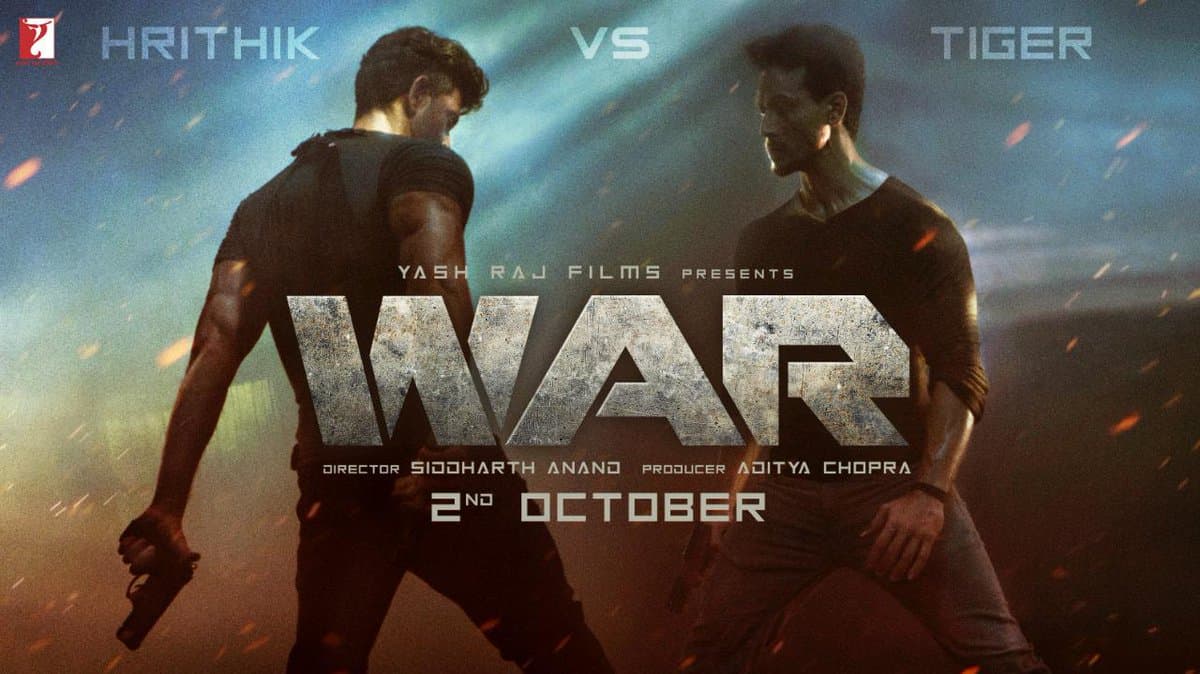
War Review: Hrithik vs. Tiger — A Dance-Off Disguised as a Spy Thriller
Hrithik Roshan hunts Tiger Shroff across the globe in a stylish but logically bankrupt spy thriller that prioritises swagger over story.